The ground was frozen two inches down. Corinne was seventy-five, with arthritis in both thumbs. She dug anyway, until her fingers were numb, and then she went to the car for the old garden trowel she kept in the trunk and dug some more.
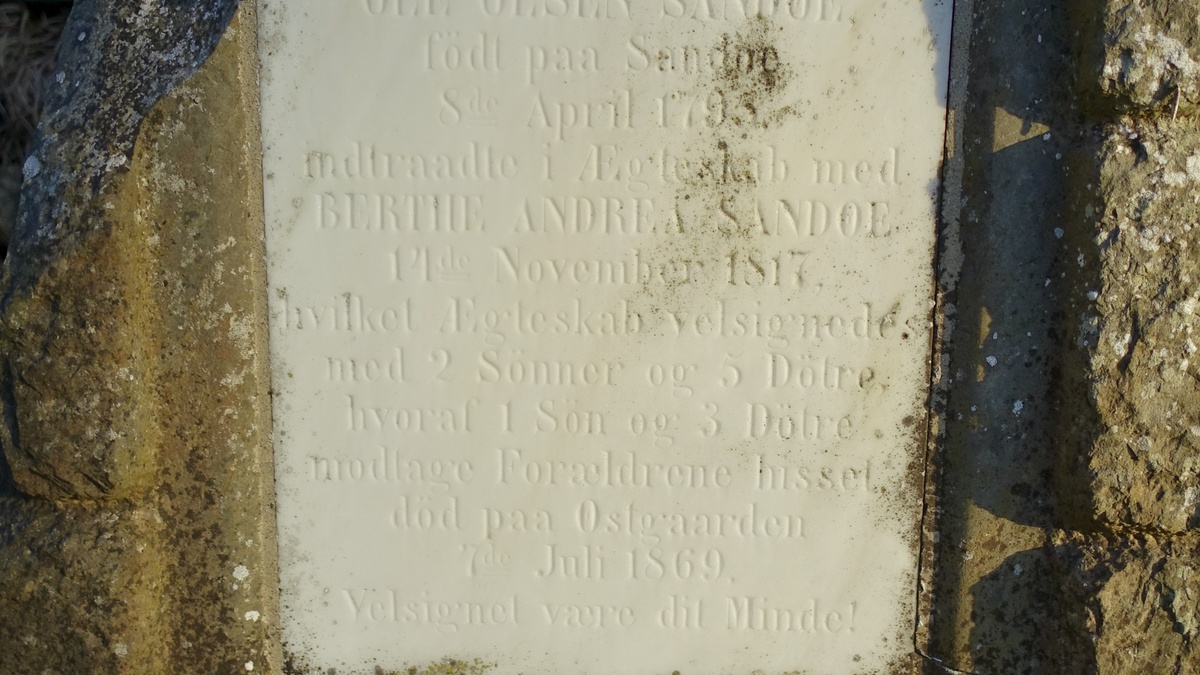
The earth came away from the base of the stone in hard, cold clods. The flashlight lay in the grass beside her, pointed sideways along the granite.
By the time it was full dark, she had cleared six inches of stone below the old ground line.
She picked up the flashlight and held it flat.
There was a second line of letters under the name. Smaller. Even more uneven. Like they had been carved by someone working on their knees, in the cold, in a hurry, with a tool too big for the job.
They said:
OUR FIRST. WE DID NOT FORGET.
And below that, much smaller still, two initials, the way her father signed every stone he ever made. But not in his hand.
I. S.
Ida Shiflett.
Her mother.
Corinne sat in the dark churchyard with her muddy hands in her lap for a long time.
She understood it now, or most of it.
Her mother had lost a baby in 1949. A girl. Lillian. And in the way of those years, the way of those hollows, it had not been talked about. Not to the cousins. Not to the church. Not to the daughter who came the next spring. You were our miracle, Corinne. We waited so long for you.
That had been true too.
But her father had carved his own stone in 2002 and left room on the bottom. He died in 2004. Her mother had lived on in that house alone for six more years, before she went into the nursing home in Harrisonburg.
Somewhere in those six years, her mother had gone out to the shed. She had taken down her husband's chisel and his mallet. She had walked to the churchyard, an old woman, and knelt in the grass behind his stone, low, where a person walking by would never see.
And she had carved their first daughter's name.
Corinne drove home and went straight to the shed and turned on the light.
She looked at the rack of her father's chisels. She had looked at them every week for twenty-two years and never once really seen them.
The smallest chisel on the end of the rack, a little quarter-inch flat, had a strip of white medical tape wrapped around its wooden handle. Her father would never have done that. His hands were too big and too strong.
Her mother's would have been too weak to hold it without the tape.
Corinne took the chisel down and held it.
She sat on her father's old stool with the chisel in her lap and thought about her mother. Ida Shiflett had been a small, quiet woman who canned tomatoes and sang alto in the choir and never raised her voice. She had lived in that house alone for six years after Virgil died. Corinne had called her every evening at seven. Every evening, her mother had said she was fine.
Corinne thought about her mother walking down to the churchyard with this chisel in her apron pocket, past the neighbors' houses, past the church, on some ordinary afternoon. Kneeling in the grass behind Daddy's stone. Working at it a little at a time, maybe over weeks. Maybe over a whole summer. Then walking home, and washing her hands, and answering the phone at seven.
I'm fine, honey.
Corinne put her face down on her arms on her father's workbench and cried, for the sister she had never known she had, and for the mother who had carried her alone for the rest of her life.
She called her son that night and told him. Brian listened without interrupting. When she finished, he was quiet a long time.
"I'm coming up Saturday," he said. "I want to see it."
He came. He knelt in the churchyard beside his mother in his good coat and held the flashlight himself, and read his grandmother's letters off the back of his grandfather's stone in the long, low light of a December afternoon.
He did not say much. He was a doctor. He had told a great many families things that changed their lives. He knew there was nothing to say that helped.
"She did it with her hands like this," he said at last, holding up his own, crooked with imagined arthritis. "At what, eighty-five? Eighty-six?"
"Eighty-seven, I think. The year before she went to Harrisonburg."
"That's not a prank," Brian said quietly. "That's a mother."
Corinne went to the young preacher on Monday. She asked him if the church burial book could have one more line.
He wrote it himself, in careful ink, under 1949.
Lillian Shiflett. Infant daughter of Virgil and Ida. Remembered.
In the spring, when the ground thawed, Corinne and Brian dug the earth away from the base of her father's stone properly, and set a row of flat fieldstones along the back, so the grass would never creep up over her mother's letters again.
Then Corinne knelt in the grass with her father's soft brush and her mother's little taped chisel. She did not know how to carve. She had never once tried in seventy-five years.
But she cut one more line, very slowly, very shallow, below the others, while Brian held the light flat across the stone.
NOR WILL I. C.